

Certificate 26DQQS29, issued 06 Aug 26 by ROHS Certification Pvt. Ltd., a certification body accredited by EIAC under CB-QMS-035. The certified scope is manufacturing and supply of precision machining components and toolings for automotive and non automotive industries. It covers the quality management system behind the work on this page, not any individual part.
Press tools
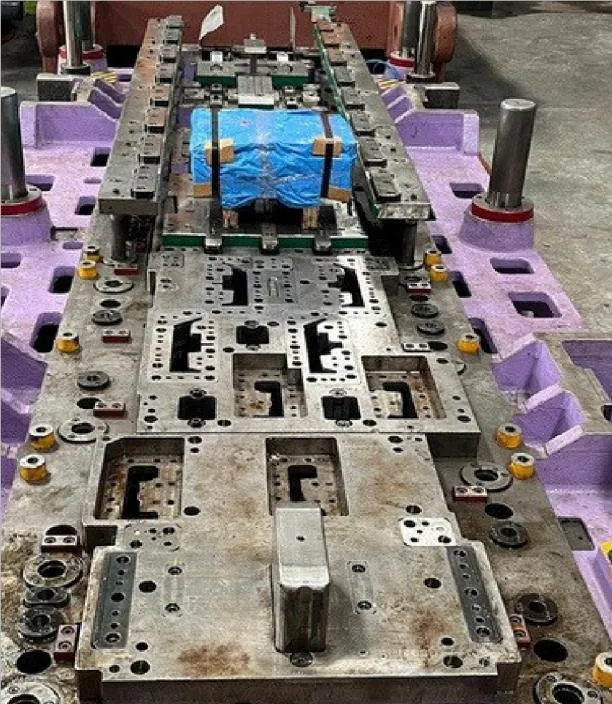
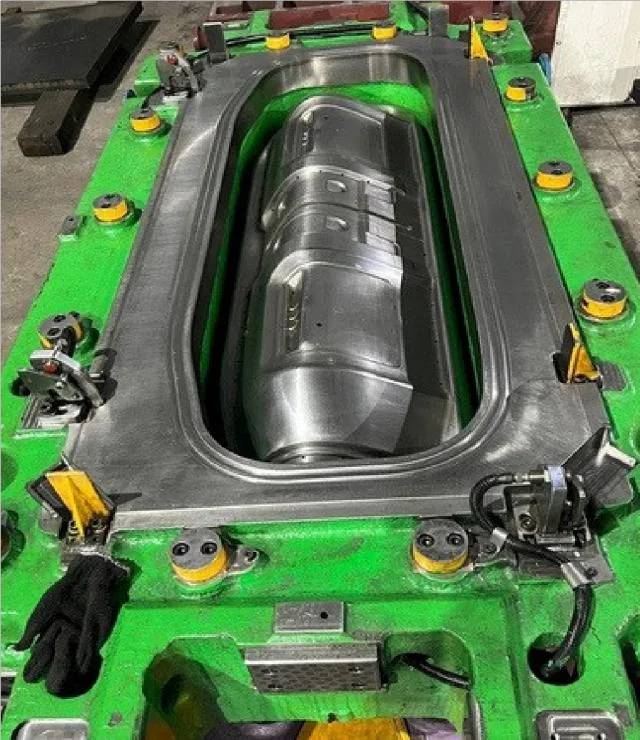
A press tool is the tooling a press closes on to cut and form sheet metal. It only works if the die base, the plates and the inserts all finish exactly where the model says they should, because the press repeats whatever the tool gives it.
We machine press tools from your data, complete, from the die base through to the inserts. Two of our tables are 4200 x 2200 mm, so a 4.2 metre tool goes down in one setting rather than being split and re-clamped.
Table loads run to 18000 kg at the top of the range, so weight is rarely the thing that decides whether we can take the job. Single station, twin station and multi station tools all come off these tables.
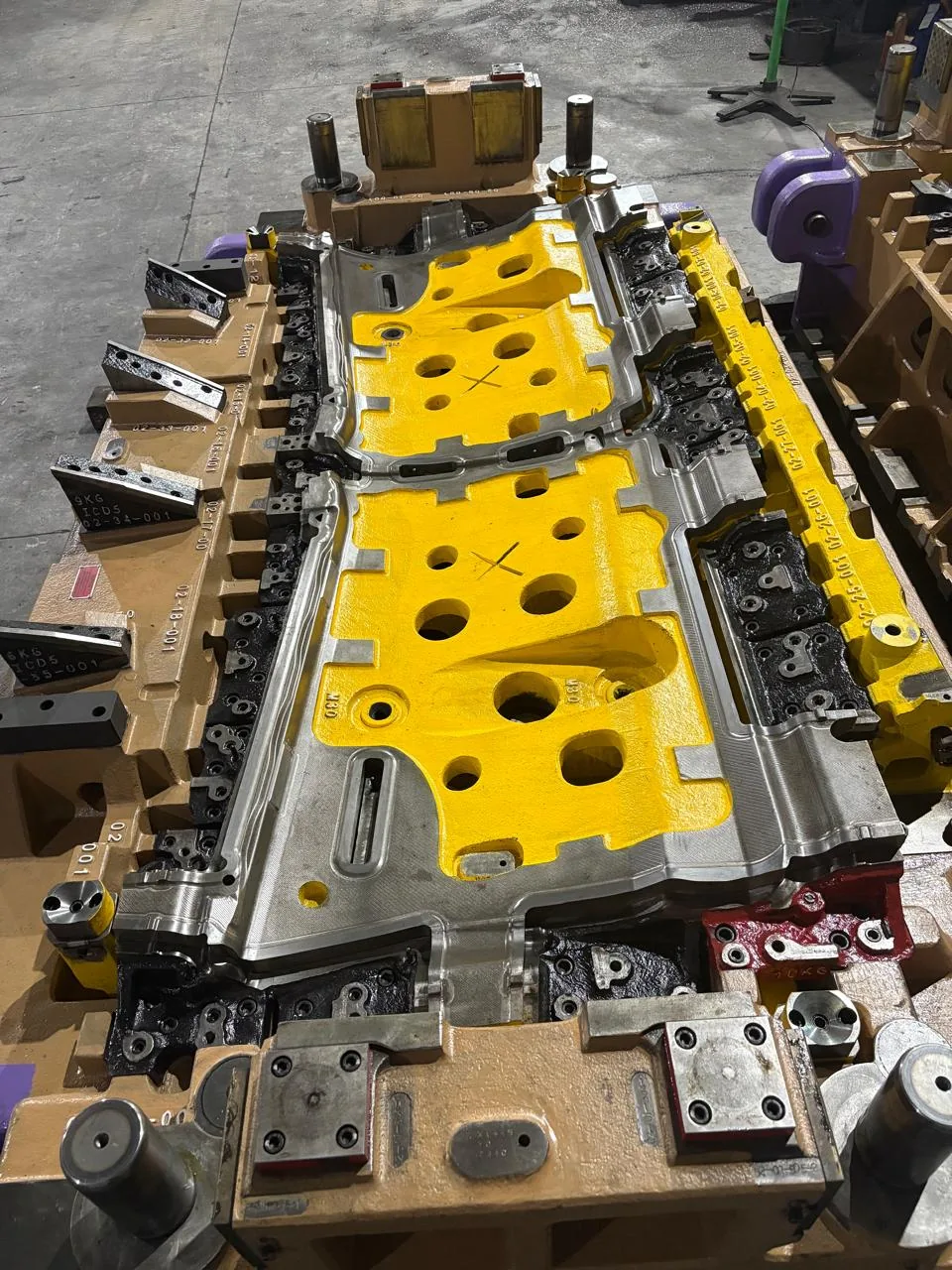
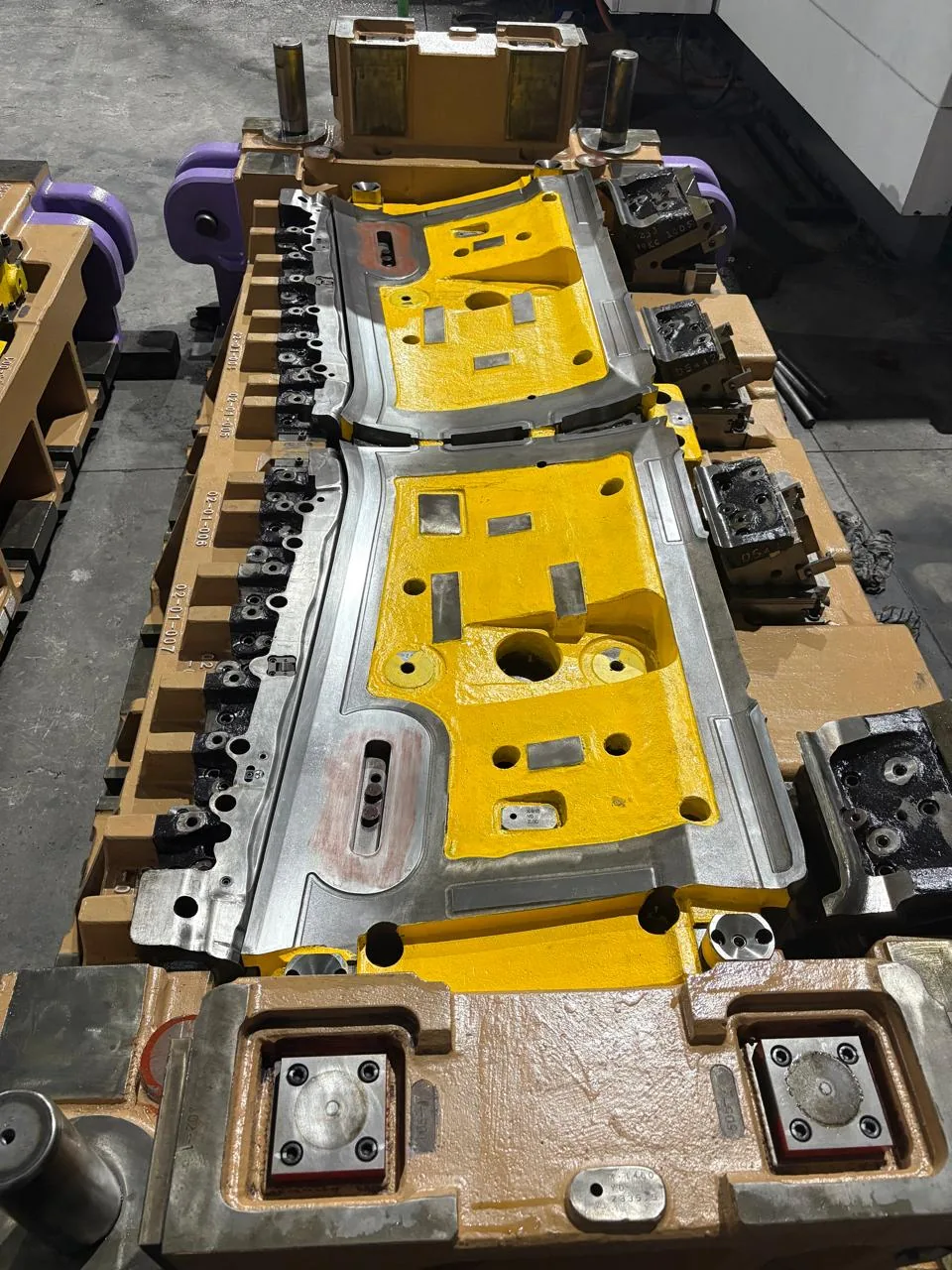
Dies for GDC, LPDC and PDC
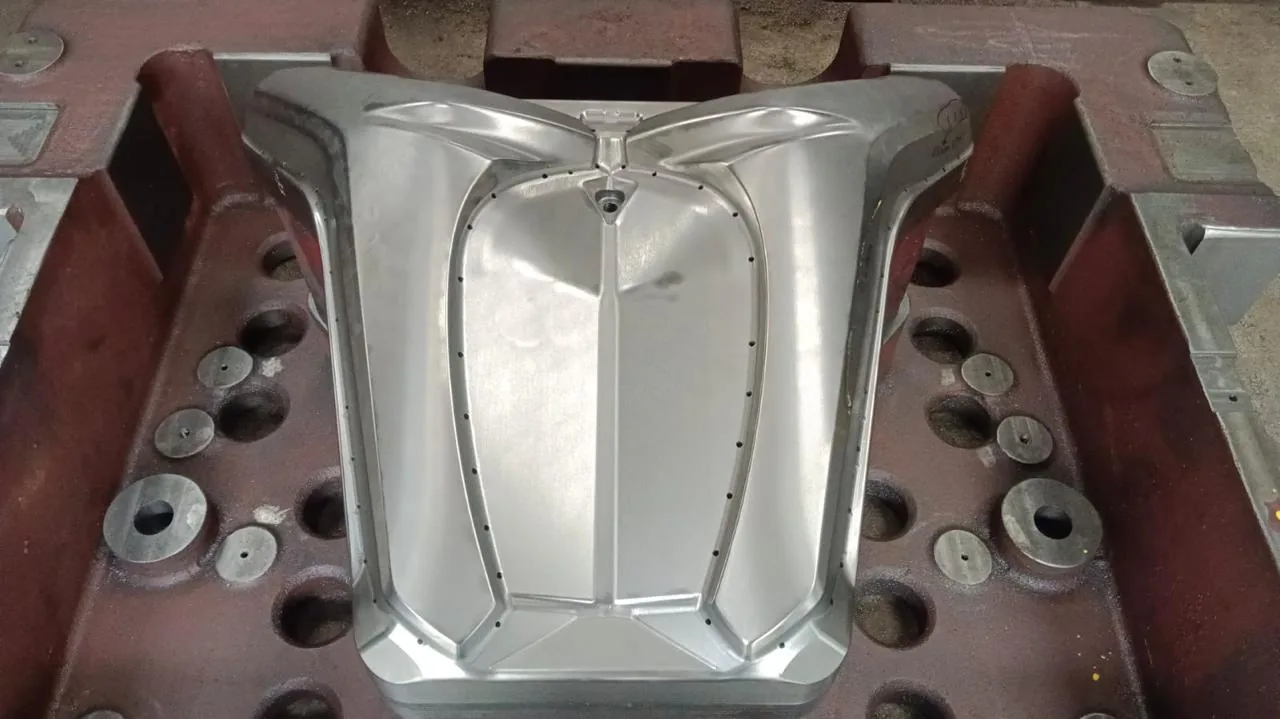
A casting die holds the shape of the part in steel. The cavity, the cores and the frame all have to come off the machine to the numbers on the model, and the cavity surface has to be good enough to cast from.
We machine dies for gravity die casting (GDC), low pressure die casting (LPDC) and pressure die casting (PDC). Frames, cavities and cores are cut from your model, with every toolpath written in WorkNC.
Positioning accuracy across the four centres runs from 30 microns down to 10, so the job can be placed on the machine the tolerance calls for.
Moulds, customised to the job
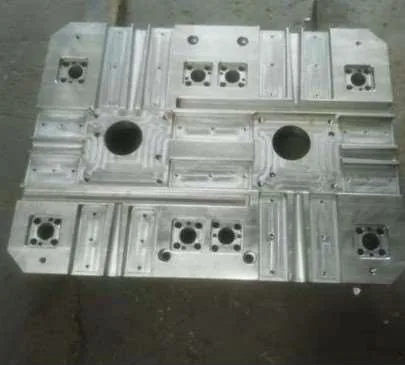
A mould is built for the process it will run in, which is why there is no off the shelf version of one. We machine the design in front of us, and it stays your design.
Two kinds come through the shop: moulds customised for high pressure die casting (HPDC), and plastic moulds. Cavities, cores and plates are all cut from the data you supply.
Z travel reaches 1300 mm at the deep end of our range, over a table rated to 18000 kg, so a tall mould block has room above it and support under it.
Patterns and pattern tooling
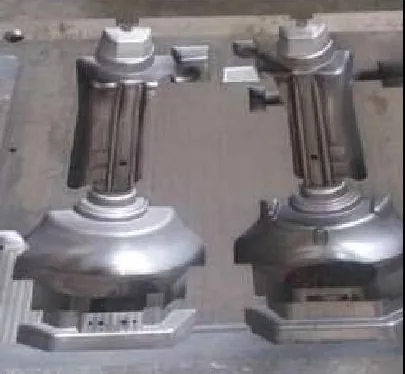
A pattern is the master shape everything downstream is taken from, so it is the one piece of tooling where an error does not stay put. It multiplies.
Patterns and pattern tooling are machined here on the same centres, from the same kind of supplied data, by the same route as a die or a mould. In our own words, what we offer is “end to end solutions in the machining process of patterns, dies and Molds”.
Pattern work runs on the same bridge-type centres as the dies and the moulds, so the same table sizes and the same travels apply. A pattern up to 4200 x 2200 mm sits on one table in one setting, which keeps the whole shape referenced to a single datum.
CAD in, CAM out
The design stays yours and arrives as your file. The programming and the cutting happen here.
Unigraphics
Incoming design data. Models arrive from the customer and we work to them as supplied.
Catia
The other format we take in. Same route through the shop: your model, our toolpaths.
WorkNC
Our CAM. Every toolpath for every job on this floor is written in WorkNC.
Send us the drawing
Tell us the part, the material and the date you need it. We will come back with a price and a delivery week.